How Wind Affects Fishing: The Angler's Guide to Wind Speed, Direction & Timing
Last week I had a group of guys from Atlanta show up for a charter. Good dudes, prepared — rods, tackle, sunscreen, the works. But they'd booked the trip without checking the forecast. By the time they reached the dock, we had a 20-knot southwest wind hammering the bay and 2-foot chop. We still caught fish — redfish tucked tight to the leeward bank — but it wasn't the flounder trip they'd planned, and half the boat was green by 10am.
Wind changes everything. Not just your comfort level on the water, but where fish hold, how they feed, and which presentations actually work. Most anglers treat wind like a nuisance. The good ones use it like a tool.
Here's how to think about it.
Why Wind Affects Fish in the First Place
Wind isn't just a surface problem. When it blows consistently across water, it creates a chain reaction that goes all the way down the food chain.
Wind moves water. Even on a calm lake with no current, sustained wind stacks water against the downwind shoreline. That pushed water carries baitfish, plankton, and oxygen. Where bait concentrates, predators follow. It's not complicated — it's just physics and hunger.
Wind oxygenates the water. Choppy, wind-driven water mixes oxygen into the upper column. In summer, when dissolved oxygen is low and fish are lethargic in warm shallows, a good breeze can actually turn the bite on.
Wind affects light penetration. A rippled surface scatters sunlight, giving fish — especially in clear, shallow water — more confidence to move into exposed areas and feed without feeling like a target. Spooky trout on a slick-calm flat? They see everything and eat nothing. Put a little chop on that same flat and they'll eat a topwater walking across the surface.
Wind triggers pressure changes. A shifting wind often signals a change in barometric pressure, and that's where fish behavior really gets interesting. But that's a whole other article.
Wind Speed: Finding the Sweet Spot
Not all wind is equal. The difference between a 5-knot breeze and a 20-knot blow can mean the difference between your best day and a survival exercise.
The Angler's Wind Scale
| Wind Speed | Conditions | Fishing Impact |
|---|---|---|
| 0–5 mph | Glass calm | Clear water, spooky fish — finesse up |
| 5–15 mph | Light to moderate | Prime zone — most species active |
| 15–20 mph | Moderate | Fishable, but adjust tactics |
| 20–25 mph | Strong | Tough, limited spots, certain species only |
| 25+ mph | Dangerous | Stay home |
The 5–15 mph window is where most anglers consistently find their best action. There's enough surface disturbance to reduce fish wariness, enough water movement to concentrate bait, but not so much that boat control becomes a full-time job and your lure presentation goes sideways.
When Calm Hurts You
Dead-calm water isn't always good. On bright days in shallow, clear water, a glassy surface is basically a sniper's window. Fish see your shadow, feel the boat's pressure wave, and spook before you get close. In these conditions, go long with casts, downsize your presentations, and work slower.
Field note: Calm mornings in the back bays of the Everglades — where I grew up fishing with my grandfather — are both the most beautiful and most humbling. You can hear the mullet jump and see the redfish tailing 40 yards off. You'll also blow 10 casts before you ever get a bite. Patience is the only tactic that works.
When High Wind Actually Helps
Once you cross into 15–20+ mph territory, most recreational anglers pack it in. That's actually an opportunity if you know where to look.
In strong wind:
- Leeward shorelines and banks concentrate bait — fish stack up on the calm side
- Deeper water becomes more productive — fish drop out of churned-up shallows
- Reaction baits outperform finesse — fish can't see your line, they're hunting by vibration
- Lowered visibility means you can get closer without spooking fish
I've had some of my best redfish days in 20-knot winds. You just have to work smarter — anchor or drift the leeward bank, throw a noisy topwater or a weedless gold spoon, and let the fish's lateral line do the work.
Wind Direction: The Variable Most Anglers Ignore
If I had to pick one wind factor that separates consistently successful anglers from everyone else, it's direction. Most people check speed. Far fewer think hard about where the wind is coming from — and what that means.
The Classic Compass Breakdown
There's an old saying that gets passed around fishing forums: Wind from the east, fish bite the least. Wind from the west, fishing's best. Wind from the north, don't go forth. Wind from the south, blows bait in the fish's mouth.
Does it hold up? Mostly — but here's the actual reasoning behind it:
South and southwest winds are generally warm, moisture-carrying winds. They often signal stable or rising pressure and precede good feeding windows. On the Gulf Coast, a south wind in spring is practically a guarantee that snook are chewing.
North winds follow cold fronts. Post-front conditions mean rapidly falling temps, blue skies, high pressure, and fish that have completely shut off. I've seen clients catch 40 trout on Tuesday and get skunked Thursday after a norther blew through. Same spot, same bait, different world.
East winds are often associated with unsettled, transitional weather. In my experience, east winds on the Gulf are some of the trickiest conditions to fish. The fish aren't always shut down, but they're inconsistent.
West winds tend to stabilize after a front has passed and temperatures begin to moderate. Fish that were lockjawed during the front start moving again. If you have to pick a post-front day to fish, wait for a west or southwest wind.
How Direction Affects Water and Presentation
Wind direction matters beyond the barometric trends it signals — it physically shapes where fish position.
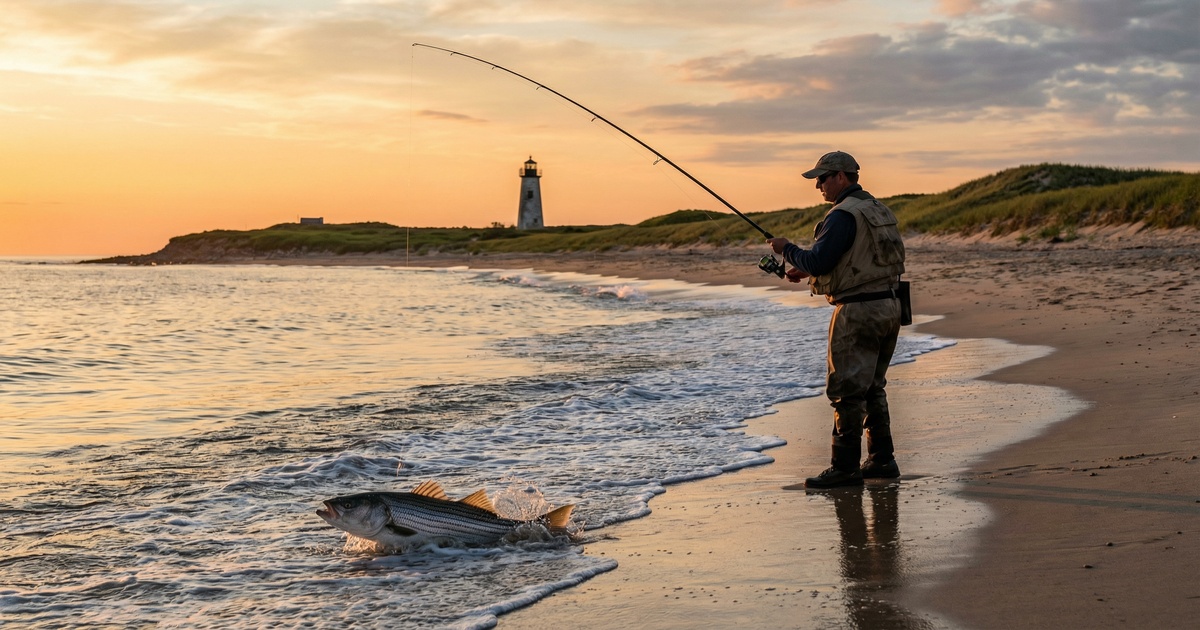
- Windward shore: Bait piles up here. Stripers, bass, and inshore predators often ambush on the windy side of points and banks
- Leeward shore: Calmer water, better boat control, but bait distribution is more scattered
- Current and tidal interaction: When wind and tide move in the same direction, current accelerates. When they oppose each other, water piles up and stalls — which can create great ambush zones at specific transition points
On tidal fisheries especially, I always cross-reference the wind direction with the tide stage. HookCast makes this easy — pull up the wind overlay against the tide chart and you can visualize how the two forces are going to interact at your specific spot before you ever leave the dock.
Before and After: How Fish Respond to Wind Changes
The change in wind — not just the wind itself — is often what triggers or kills a bite.
The Pre-Front Feed
When a front is approaching and wind is picking up out of the south or southwest, fish tend to go on a binge. Pressure is dropping, temps are still warm, and something in their biology says eat while you can. I've seen this pattern hundreds of times. The afternoon before a front hits is often one of the best windows of the month.
If you see the forecast calling for a cold front in 24–48 hours and the wind is building from the south, get on the water. That bite won't last.
The Post-Front Shutdown
The front passes, wind swings north, sky turns a hard blue, and everything dies. Cold, clear, high-pressure conditions are the toughest fishing conditions there are — period. Fish move deep, slow down, and lose interest in feeding aggressively.
What works post-front:
- Slow down dramatically — slower than you think
- Downsize lures and line
- Target deeper structure where temperature is more stable
- Fish midday when the sun has had time to warm the shallows
Expect two to three days of tough fishing after a significant cold front before things normalize.
When the Wind Settles
Once pressure stabilizes and wind moderates — especially when it shifts back to the west or southwest — fish gradually return to normal feeding behavior. This recovery window, usually two to four days post-front, is when I like to book charters. Conditions are fishable, pressure is steady, and fish that haven't eaten for two days are now actively hunting.
Fishing Windy Conditions: Tactical Adjustments
Okay — so you checked the forecast, wind's blowing 18 mph, you're going anyway. Here's how to maximize your odds.
Boat Positioning
Drift fishing: Let the wind work for you. Set up on the upwind side of a flat or reef and drift through it. Control your drift speed with a drift sock if needed. This covers water efficiently and keeps presentations moving naturally.
Anchoring: On windy days, anchor the leeward side of structure. Your boat stays stable, you can cast into the wind and let bait drift naturally toward the bottom.
Shallow water: Avoid poling or running shallow on windy days with dirty water. Fish aren't on the flat, they've moved to adjacent deeper water.
Presentation Adjustments
- Heavier jig heads — you need to get down through the chop and maintain contact with the bottom
- Braided line — less wind drag than mono, better sensitivity
- Reaction baits — spinnerbaits, swim jigs, crankbaits — fish are hunting by feel, not sight
- Go weedless — wind-driven debris makes snag-prone presentations a misery
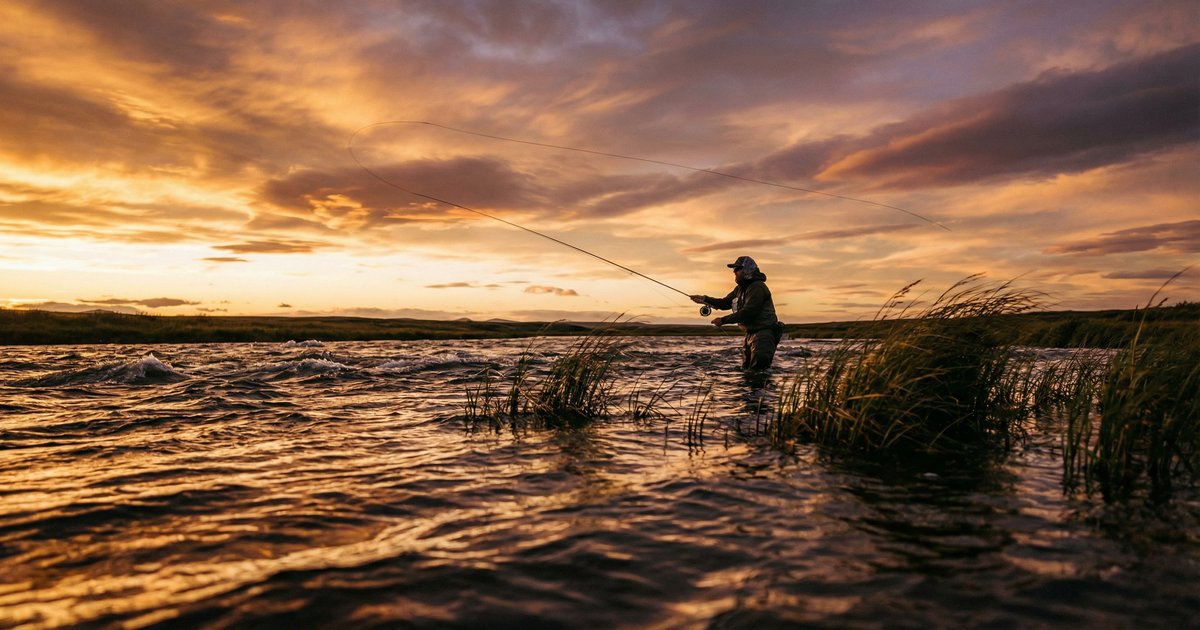
Pro tip: When casting into a stiff headwind, keep your rod tip low and use a sidearm or skip cast. Less arc, more accuracy, less line drift. If you're fly fishing in wind — good luck and God bless you.
Where Fish Go When It's Windy
- Inland rivers and creeks: Protected from wind, baitfish stack here when the bay gets rough
- Leeward banks: Calm side of islands, points, and shorelines
- Deep structure: Ledges, holes, submerged points — fish drop here to escape the turbulence
- Bridge pilings and docks: Break current and wind — always worth checking
Quick-Reference: Wind and Fishing Cheat Sheet
Ideal conditions:
- ✅ 5–15 mph sustained wind
- ✅ South or southwest wind direction
- ✅ Wind steady for 24+ hours
- ✅ Wind building ahead of a front (pre-front feed)
Tough but fishable:
- ⚠️ 15–25 mph — move to protected water, adjust tactics
- ⚠️ North wind post-front — slow down, go deep, wait it out
- ⚠️ Variable shifting winds — fish are unsettled, work slower
Stay home or have a plan B:
- ❌ 25+ mph sustained — safety first, no exceptions
- ❌ First 24–48 hours after a hard cold front — conditions rarely worth the effort
- ❌ Easterly winds with dropping pressure — usually means something worse is coming
When wind is your friend:
- Leeward banks concentrate fish and make boat control manageable
- Surface chop reduces fish wariness in shallow, clear water
- Pre-front wind spikes trigger aggressive feeding
Tactical reminders:
- Go heavier on jig heads in wind
- Fish midday after cold fronts when sun warms the shallows
- Cross-reference wind direction with tides — HookCast's wind and tide overlay does this automatically
- Trust the leeward bank when everyone else is fighting the conditions
Wind is one of those variables that separates anglers who consistently put fish in the boat from those who just show up and hope. You don't have to have 15 years on the water to read it — you just have to pay attention, understand the why, and be willing to adapt when conditions change.
The guys who always seem to catch fish aren't fishing better spots or using secret baits. They're just better at making the call — knowing when to fight the conditions, when to pivot, and when to wait for the right window.
Check the wind before you go. Then actually think about what it means.
FAQ
What wind speed is best for fishing?
Most anglers find the sweet spot between 5–15 mph. This range creates enough surface chop to reduce fish wariness and concentrate bait, without making boat control or presentation difficult. Dead-calm conditions can actually hurt your chances in clear, shallow water, as fish become spooky and reluctant to feed.
Does wind direction matter for fishing?
Yes, wind direction significantly influences where fish hold and feed. Wind pushes water — along with baitfish and plankton — toward the downwind shoreline, which is where predators tend to follow. Paying attention to which bank or structure is on the leeward side of the wind can help you find fish faster.
Why do fish seem to bite better when it's windy?
Several factors work in your favor when the wind picks up. Choppy water scatters sunlight, making fish less wary and more willing to move into exposed areas. Wind also mixes oxygen into the water column, which can activate lethargic fish — especially in warm summer conditions when dissolved oxygen is naturally low.
Is it safe to fish in high winds?
It depends on the speed and your situation. Winds of 20–25 mph make fishing tough and limit your options, while anything above 25 mph is generally considered dangerous and not worth the risk. Always check the forecast before heading out, and have a plan for sheltered water if conditions deteriorate.
How does wind affect fish behavior differently in lakes versus coastal water?
In lakes with no tidal current, wind is often the primary force moving water and concentrating bait — making it especially important to fish the downwind shoreline. In coastal and tidal environments, wind interacts with current, which can amplify or counteract its effects. In both cases, the core principle holds: follow the bait that the wind is pushing, and the predators won't be far behind.