Does Rain Help Fishing? How Rainfall Affects the Bite (With Best Tactics)
It was a Tuesday morning in late September, and my phone was blowing up. Three clients wanting to know if we should cancel — a line of storms was pushing through Tampa Bay, and nobody wanted to get soaked for nothing. I told them to show up anyway.
By 9 a.m., the rain had stopped, the barometer was climbing, and we were into snook so thick I lost count. That trip paid for itself twice over.
Rain isn't the enemy. But it's not automatically your friend either. Whether rainfall helps or hurts fishing depends almost entirely on timing — and knowing what's happening on both sides of the storm. Get that right, and rainy days become your secret edge while everyone else stays home.
Why Rain Affects Fish Behavior at All
Fish don't care about getting wet. What they care about is everything rain changes around them — water temperature, dissolved oxygen, barometric pressure, current flow, and food availability. Rain is a trigger, and understanding what it triggers is the whole game.
Barometric pressure is the biggest factor most anglers overlook. A falling barometer typically precedes rain and signals fish to feed aggressively — they sense the pressure drop and respond by going on the hunt. Once the storm hits and pressure bottoms out, the bite often shuts off. Then, as the system passes and pressure rebuilds, fish get active again. NOAA's barometric data shows standard atmospheric pressure at 1013.25 hPa — anything dropping below that heading into a storm system is worth paying attention to.
Runoff and water clarity are the other big variables. Light rain on a river or lake stirs up the shallows, flushes insects and baitfish off the banks, and activates feeding. Heavy, prolonged rain can blow things out entirely — muddy water, fast current, and flooding that pushes fish out of their normal spots.
The short version: light rain before and after a front = good fishing. Hard rain during a front = often tough. Extended dirty runoff = patience required.
Fishing Before the Rain: The Golden Window
If there's one thing I want you to take away from this whole article, it's this — the hours before a rainstorm are often the single best fishing window you can find.
As a low-pressure system approaches, the barometer starts dropping. Fish — especially predators like bass, redfish, snook, and stripers — seem to know it. In my experience guiding out of Tampa Bay for over a decade, some of our biggest hauls have come in that 4-6 hour window before a front moves through. Fish feed like they know the buffet is closing.
What Happens to Fish Before Rain
- Barometric pressure drops, triggering a feeding frenzy
- Cloud cover reduces light penetration, which pushes fish out of deep structure into shallower, huntable zones
- Insects become more active and fall onto the surface, drawing topwater feeding
- Baitfish move unpredictably, and predators capitalize
Best Pre-Rain Tactics
Go faster. The fish are aggressive — match their energy. Reaction baits like spinnerbaits, lipless crankbaits, swimbaits, and topwater lures all shine here. You don't need a perfect presentation; you need to cover water and trigger strikes.
Work the shallows. Overcast skies let ambush predators like bass and snook slide into water they'd avoid in bright sun. Grass flats, dock edges, and shoreline structure that looks dead at noon can be electric under a pre-storm sky.
Keep an eye on the pressure trend. I pull up HookCast's weather tool before I leave the dock to see whether pressure is dropping, stable, or rising. If it's dropping fast, I get out there immediately — that window doesn't last forever.
Fishing During Rain: It Depends on the Rain
Here's the honest answer nobody wants to give you: during-rain fishing can be great or miserable, and the difference is almost entirely about rain intensity.
Light Rain or Drizzle
This is genuinely good fishing weather. Here's why:
- Reduced surface glare means fish in skinny water are less spooky
- Rippled surface breaks up your silhouette and the boat's shadow
- Insects and bait get knocked into the water, triggering surface feeding
- Pressure hasn't fully crashed yet — fish are still reactive
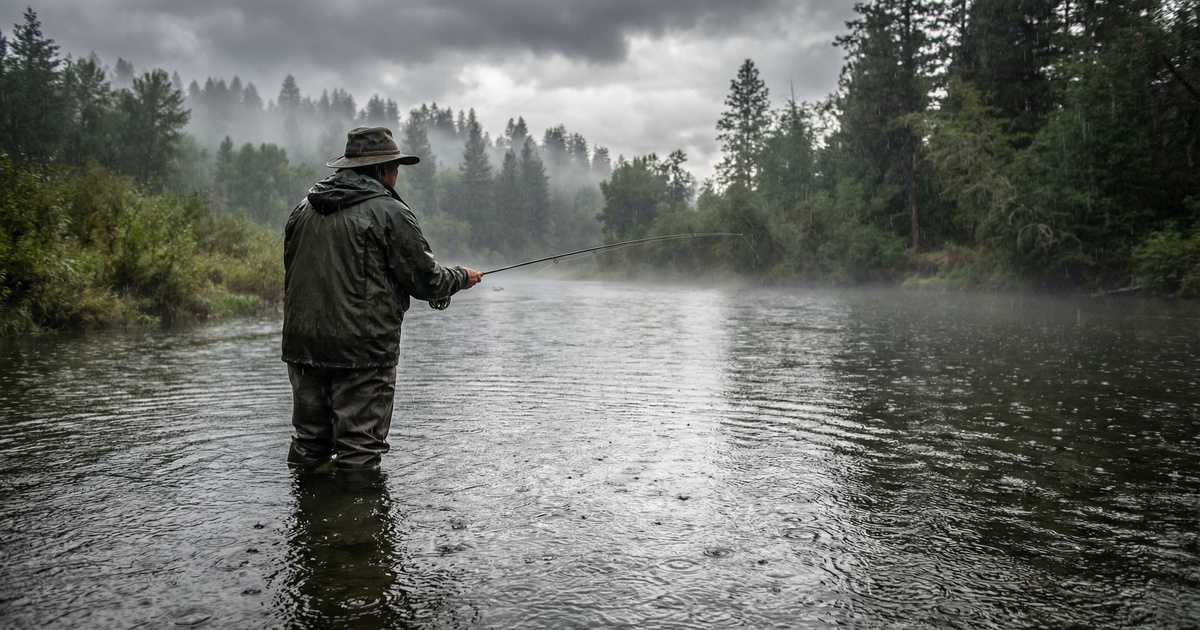
Light rain on a freshwater bass lake or a redfish flat can be some of the most productive fishing you'll ever have. Topwater baits in a light drizzle are devastating. The rain dimples the surface, fish can't see you as clearly, and the commotion draws strikes.
Heavy Rain and Thunderstorms
Let's be real — heavy rain during a strong front is usually tough fishing and dangerous fishing. When the bottom falls out:
- Pressure has typically crashed, and fish go neutral or negative
- Visibility drops; fish lose their ability to track lures or spot bait
- Freshwater input from runoff changes water temperature rapidly
- Lightning is a legitimate threat on open water — get off the water
There is no fishing tip worth a lightning strike. If thunder is rolling, you're done. NOAA's lightning safety guidance is clear on this — you need 30 minutes of no lightning before returning to open water. Take it seriously.
Field note: I've watched anglers try to tough out electrical storms on Tampa Bay. I've also been to the memorial services. The fish will still be there tomorrow.
Freshwater vs. Saltwater During Rain
The two environments respond differently to heavy rain:
| Condition | Freshwater | Saltwater/Inshore |
|---|---|---|
| Light rain | Excellent, especially topwater | Excellent, fish less spooky |
| Heavy runoff | Bass push to cleaner water; trout hold deep | Snook move to edges; redfish push to higher marsh |
| Muddy water | Slow bite; switch to bright/rattling lures | Salinity changes push fish offshore or up creeks |
| Post-flood clarity | Bite returns quickly (1-2 days) | Takes longer if salinity is badly disrupted |
Fishing After the Rain: The Recovery Window
The post-rain bite is where I've made a lot of money guiding over the years. Most anglers assume the storm ruined things. Some of my best trips have started an hour after the skies cleared.
The Pressure Rebound Effect
As a front passes and pressure rises, fish transition from neutral/negative back into active feeding mode. This rebound period — typically 6-24 hours after a cold front in the fall and winter, or 2-6 hours after a summer pop-up storm — can produce red-hot fishing if you hit it right.
After a warm-season thunderstorm in Florida, I've seen the snook bite absolutely turn on within two hours of the sky clearing. The barometer climbs, dissolved oxygen spikes from the rain mixing the water column, and the fish come out swinging.
Post-Rain Considerations by Water Type
Rivers and streams: Runoff raises water levels and discolors the water. USGS stream gauge data is genuinely useful here — it shows real-time water levels and flow rates so you know if your river spot is blown out or fishable. Bass, catfish, and walleye often move to flooded shoreline cover immediately after a rise, picking off baitfish pushed into new water.
Lakes: The bite usually comes back within 24 hours. First, work the areas where clean water meets murky — that edge is a magnet. Points and deeper structure near inflows can be productive as baitfish stack up.
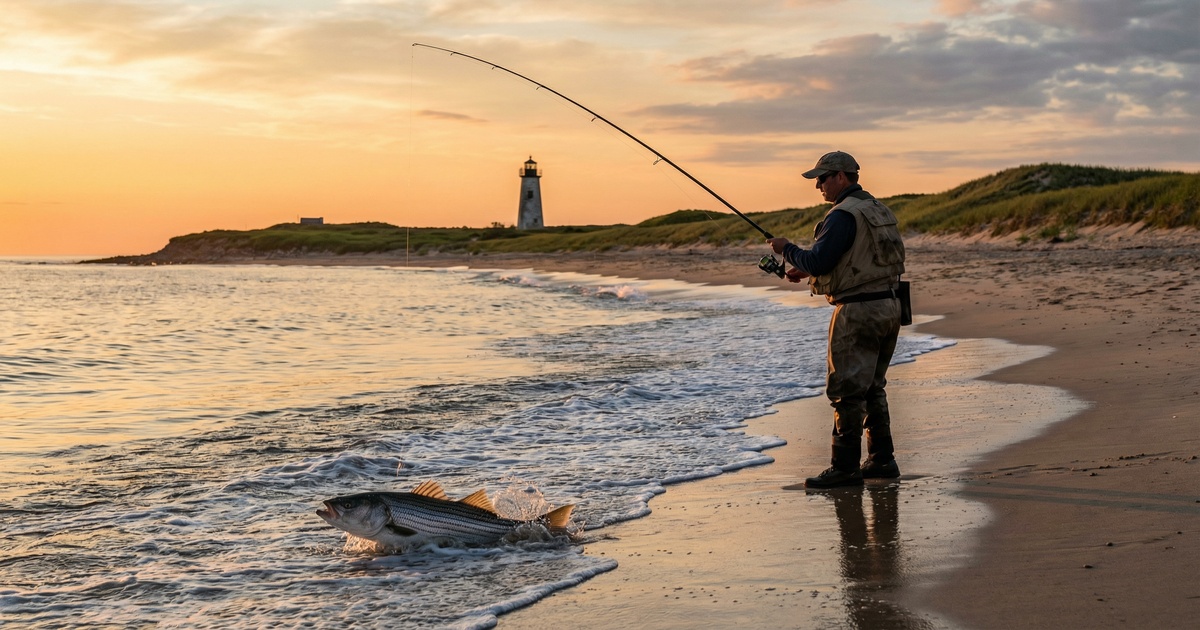
Inshore saltwater: Salinity fluctuations after heavy rain can push fish around significantly. Redfish and snook are surprisingly tolerant of low salinity but will move to find their comfort zone. Check tide charts for your area — post-rain tidal flow often looks completely different than normal, and reading it right makes a big difference in where fish stack up.
Post-Rain Lure Adjustments
- Muddy or stained water: Go bigger, brighter, and louder. Chartreuse, orange, and white. Rattling crankbaits, chatterbaits, noisy poppers. Anything that helps fish find the bait by vibration and sound when visibility is low.
- Clearing water: Dial back to natural colors. The fish can see again — finesse presentations start working. Drop shot, soft plastics in green pumpkin or watermelon, and smaller profile jigs.
- Cold fronts (fall/winter): After a cold front passes, water temps can drop 5-10°F in Florida — and fish metabolism slows with it. Slow down your presentation. Dead-sticking a soft plastic or slow-rolling a jig becomes far more effective than reaction baits.
Rain Fishing Tactics by Species
Every fish responds a little differently. Here's a fast breakdown based on what I've seen across inshore and freshwater over the years:
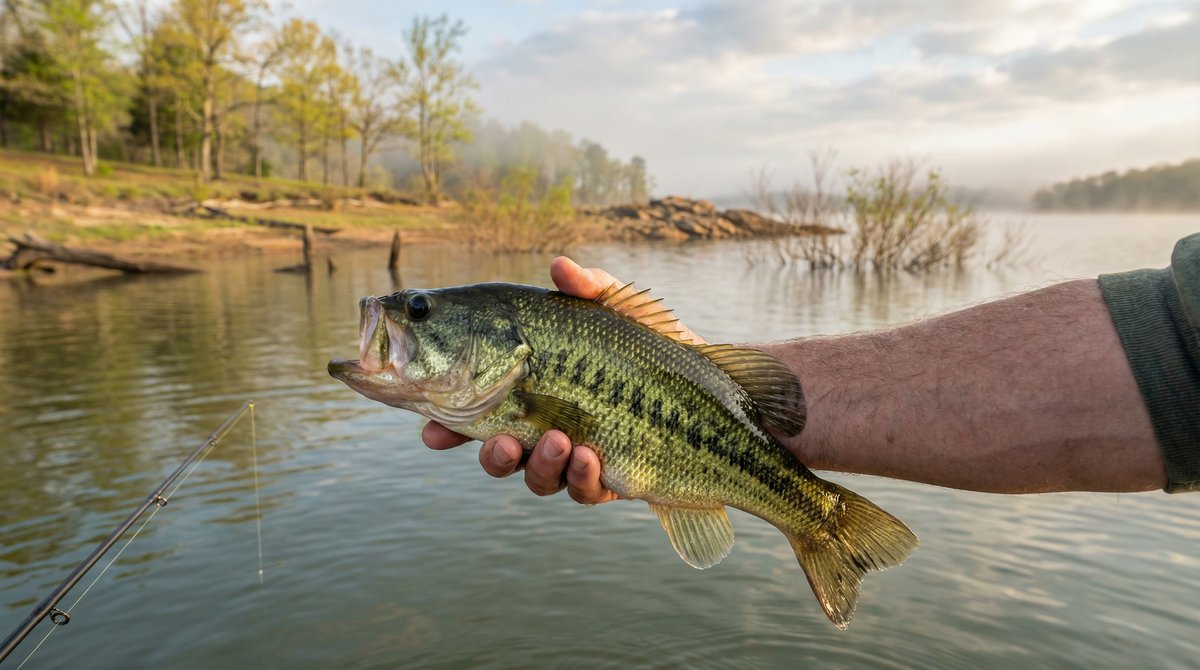
Largemouth Bass
Best during: The hour before and right after warm-season rain. Pre-front is king.
Avoid: During heavy summer thunderstorms, and the 12-24 hours after a hard cold front.
Go-to tactic: Topwater in light rain; chatterbaits and swimbaits pre-front; slow-rolled creatures and drop shot post-cold front.
Redfish
Best during: Rising tide post-rain when marsh drains into passes and channels.
Avoid: Extreme low-salinity events from sustained heavy rain.
Go-to tactic: Gold spoons and paddle tails on edges; noisy lures if water is muddy.
Snook
Best during: The rain itself if it's warm, and the first clear morning after.
Avoid: Post-cold front — snook are famously cold-sensitive and go dormant below about 60°F.
Go-to tactic: Live bait (pilchards, pinfish) under lights during rain; suspending twitch baits in passes post-storm.
Trout (Freshwater)
Best during: Light rain in summer — hatches go crazy, surface feeding picks up.
Avoid: Blown-out, muddy rivers after heavy rain.
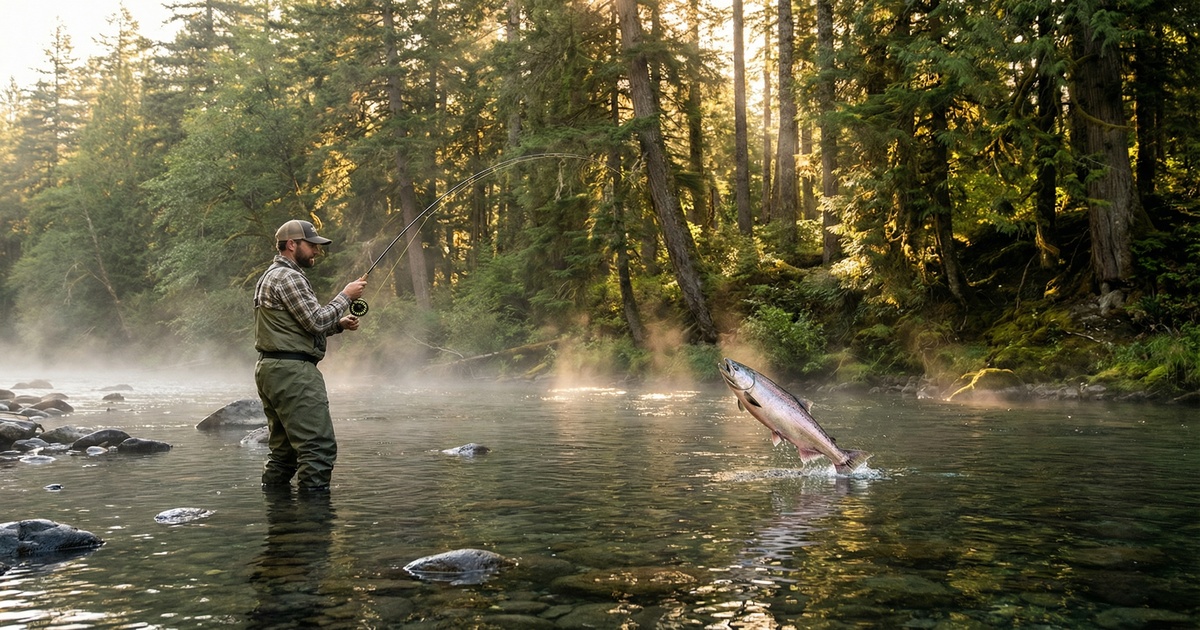
Go-to tactic: Dry flies in a drizzle; nymphs along seams during rising water.
Offshore (Mahi, Kingfish, Wahoo)
Best during: Before fronts, when pressure is dropping.
Avoid: During the front itself — rough seas and scattered bait.
Go-to tactic: Pre-front, work weed lines and current edges. Post-front, look for where bait has regrouped — the fish won't be far.
Quick-Reference Rain Fishing Checklist
Use this before you decide whether to go or stay home:
Before the rain (best window):
- [ ] Barometer dropping? Get out there now
- [ ] Clouds building? Fish the shallows
- [ ] Use fast, aggressive presentations
- [ ] Watch the pressure trend on HookCast
During light rain:
- [ ] Topwater and reaction baits — fish are active and less spooky
- [ ] Work banks and structure edges
- [ ] Keep an eye on lightning — no exceptions
During heavy rain/storms:
- [ ] Get off open water if lightning is possible
- [ ] Wait it out — heavy rain usually tanks the bite anyway
- [ ] Use the time to check post-storm forecast and plan your next move
After the rain:
- [ ] Give it 1-6 hours for warm-season storms; 12-24 for cold fronts
- [ ] Check USGS stream gauges if fishing rivers
- [ ] Match lure color to water clarity
- [ ] Work the clean/dirty water edges
Gear adjustments for rain:
- [ ] Brighter lures in stained water
- [ ] Natural colors as clarity returns
- [ ] Rain jacket — miserable angler = distracted angler
- [ ] Non-slip footwear on a wet boat deck
FAQ
Does rain improve fishing or hurt it?
Rain can do both, depending on timing and intensity. Light rain and the period just before a storm are typically excellent for fishing — falling barometric pressure triggers aggressive feeding behavior in most species. Heavy rain during a front often shuts the bite down as pressure bottoms out and water clarity deteriorates. The best strategy is to fish right before the rain arrives or within a few hours of it clearing.
Is it safe to fish in the rain?
Light rain is generally safe and often productive, but lightning changes everything. If you hear thunder or see lightning, you need to leave open water immediately — NOAA recommends waiting 30 minutes after the last lightning strike before returning. No fish is worth the risk. Rain itself isn't the hazard; electrical storms are.
What is the best time to fish around a rainstorm?
The hours immediately before a rainstorm arrives are typically the best fishing window. As a low-pressure system approaches, the barometer drops and fish respond by feeding aggressively. The second-best window is 2-6 hours after a warm-season storm passes, when pressure rebounds and dissolved oxygen levels rise. Cold front recovery takes longer — usually 12-24 hours before the bite fully turns back on.
What lures work best for fishing in the rain or muddy water?
In stained or muddy post-rain water, go with high-contrast colors — chartreuse, white, orange, and bright yellow. Rattling crankbaits, chatterbaits, and noisy poppers help fish locate the bait by sound and vibration when visibility is low. As water clarity returns, scale back to more natural colors and finesse presentations. The rule of thumb: the dirtier the water, the louder and brighter your lure should be.
How does rain affect inshore saltwater fishing?
Rain affects inshore fishing primarily through salinity changes and increased water flow. Heavy rainfall lowers salinity, which can push redfish, snook, and trout out of their normal areas toward higher-salinity water or into creeks and backwaters. Post-rain tidal flow often concentrates baitfish in passes and channels, which draws predators to those edges. Checking a current tide chart before heading out helps identify where fish will likely stack up after a rain event.