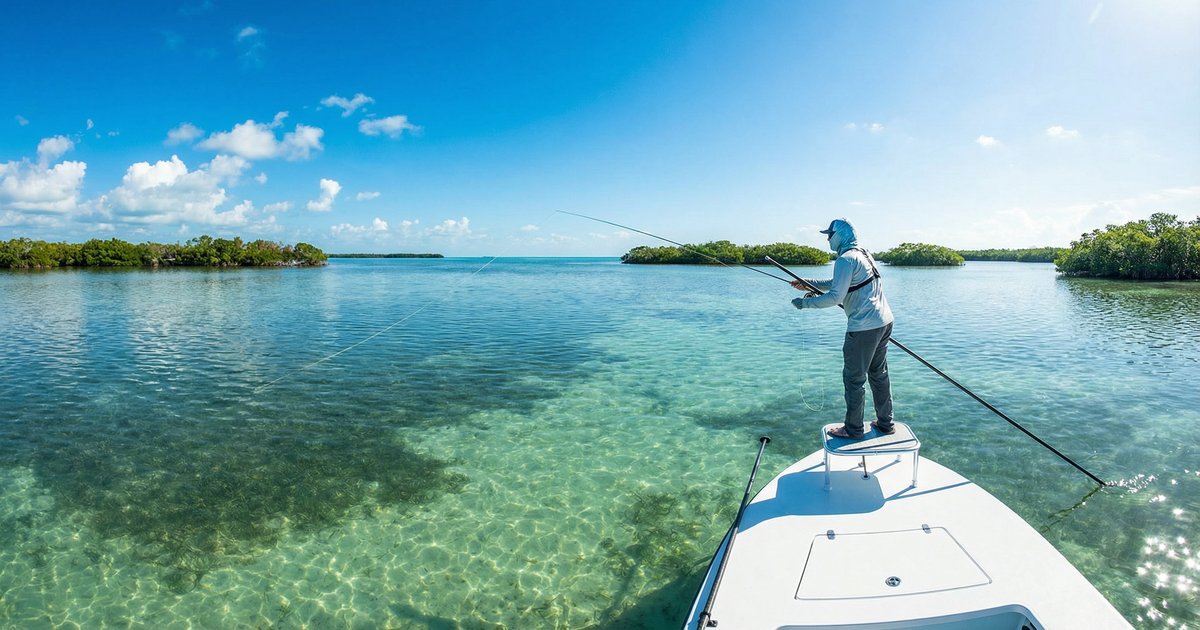
Florida is arguably the fishing capital of North America. With over 8,000 miles of tidal shoreline, three distinct coastlines (Atlantic, Gulf, and Keys), and a subtropical climate that keeps water temperatures fishable year-round, the Sunshine State offers something for every angler every month of the year. But understanding when and where to fish dramatically improves your success.
Florida's Fishing Seasons at a Glance
Unlike northern states where fishing is largely a warm-weather activity, Florida's best fishing often peaks in winter and spring — when northern snowbirds (both human and fish) descend on the state.
Winter (December–February): Prime Time for Many Species
Despite being the "off-season" for many northern anglers, Florida winter fishing weather is exceptional:
Snook: Snook become lethargic in cold water (below 60°F) and congregate in deep, warm areas — power plant discharges, spring-fed rivers, and deep harbor channels. Slow-rolled jigs and live bait near these thermal refuges produce big fish.
Redfish: Winter redfish school in large pods and feed aggressively in the middle of warm, clear days. Look for them tailing on grass flats during the warmest part of the afternoon. Large schools of 20–100 fish are common.
Sheepshead: The "convict fish" peaks in January and February near structure — bridge pilings, dock pilings, and oyster bars. They congregate to spawn and feed heavily on barnacles and crustaceans.
Florida Tide Charts in Winter: Winter tides in Florida are heavily influenced by cold fronts passing every 7–10 days. Each front drops temperatures temporarily and creates strong north winds that can significantly lower Gulf water levels. Fish the 2–3 days of warming before each cold front for the best action.
Spring (March–May): Tarpon Season Begins
Spring is arguably Florida's best all-around fishing season:
Tarpon: The silver king migration begins in earnest in April as water temperatures climb above 75°F. Florida Keys and Charlotte Harbor see the earliest fish; Tampa Bay, Homosassa, and Boca Grande (the self-proclaimed "tarpon capital of the world") peak in May and June.
Snook: Snook become increasingly active as water warms and begin staging near inlets for their spring spawn. March and April produce excellent snook fishing throughout Southwest Florida.
Cobia: The spring cobia migration is one of Florida's most exciting fisheries. Cobia follow rays across shallow Gulf flats from March through May. Sight-fishing to individual fish with jigs or live eels is addictive.
Fishing Weather Florida: Spring is characterized by light winds, stable pressure, and building water temperatures. This combination — coupled with strong tidal flow from spring lunar cycles — creates ideal fishing conditions. Look for days when barometric pressure is stable or slowly rising.
Summer (June–August): Heat, Thunderstorms, and Offshore Action
Summer fishing in Florida requires strategy:
Early mornings are essential: By 10 AM, afternoon thunderstorm cells begin building. Lightning makes open-water fishing dangerous and unpredictable. Plan to be off the water by noon or wait for the storms to pass in the late afternoon.
Tarpon: Tarpon fishing remains excellent through June, especially in the Keys and at offshore wrecks where large fish "daisy chain" and roll on the surface.
Mangrove snapper: Summer sees peak mangrove snapper activity at nearshore reefs and structures. Lighter tackle and small live baits outperform heavy rigs.
Offshore: Mahi-mahi, sailfish, and wahoo follow the Gulf Stream close to Florida's southeast coast in summer. Trolling weed lines and floating debris is productive.
Florida Tide Charts in Summer: Summer tides in Florida are generally smaller in range than winter tides, reducing tidal current intensity. Compensate by focusing on locations with naturally strong current flow — inlets, bridges, and creek mouths.
Fall (September–November): The Second Peak
Fall is underrated by visitors but beloved by Florida locals:
Snook: Post-spawn snook flood back into passes, rivers, and backwater areas in September. They feed aggressively after summer's heat and are often less selective than at other times of year.
Redfish: The "redfish run" on Florida's northeast coast (notably Mosquito Lagoon and Indian River) sees large schools of slot and bull redfish from September through November. This is some of the most consistent inshore fishing in the US.
Spanish mackerel: Fall migrations push huge schools of Spanish mackerel into near-shore waters from Miami to the Panhandle. Light spinning tackle with small jigs or spoons on calm days.
Pompano: Pompano begin appearing on Gulf Coast beaches and passes as water cools in October. Sand fleas (mole crabs) are the bait of choice, but small jigs work too.
Best Locations for Fishing Weather in Florida
Tampa Bay: Florida's largest open-bay estuary offers redfish, snook, tarpon, trout, and cobia. Best fishing is October–May. Tide charts matter enormously — the bay's shallow grass flats fish best on an incoming tide 2 hours before and after high water.
Florida Keys: Year-round fishing for bonefish, permit, tarpon, and backcountry species. Bonefish peak March–June; permit are most active April–June and September–October on the oceanside flats.
Mosquito Lagoon / Indian River: Legendary sight-fishing for redfish and black drum year-round, with fall being exceptional. Clear water and light tackle required.
Boca Grande: Tarpon capital. May and June are peak months, with hundreds of trophy tarpon per tide change during the peak spawn.
Using HookCast for Florida Fishing Trips
HookCast provides real-time fishing weather forecasts for dozens of Florida locations from Pensacola to Key West. Check the fishing score for your target area — it combines current barometric pressure trends, NOAA tide data, solunar periods, and wind forecast into a single number that tells you at a glance whether today's conditions favor your target species.
FAQ
What is the best month to fish in Florida overall?
While Florida offers great fishing year-round, May is widely considered the peak month for overall variety and action. Tarpon are running in full force, snook are active near inlets, cobia are still migrating, and weather conditions are generally stable before summer heat and thunderstorm patterns set in.
Do I need a fishing license to fish in Florida?
Most anglers fishing in Florida's saltwater or freshwater need a valid Florida fishing license. Exceptions include fishing from a licensed pier, being under 16 years old, or being a Florida resident 65 or older. Licenses are available through the Florida Fish and Wildlife Conservation Commission (FWC) website or at most bait and tackle shops.
How do cold fronts affect fishing in Florida during winter?
Cold fronts pass through Florida roughly every 7–10 days in winter and can significantly impact fishing. Water temperatures drop temporarily and strong north winds can lower Gulf water levels. The best strategy is to fish the 2–3 days of warming before a cold front arrives, when fish feed aggressively ahead of the pressure change.
What are the best fishing spots in Florida for beginners?
Beginners tend to do well fishing from bridges, piers, and docks, where structure attracts species like sheepshead, snapper, and flounder. The Florida Keys, Tampa Bay, and Charlotte Harbor are all beginner-friendly areas with abundant fish populations and plenty of local guide services available.
Is saltwater or freshwater fishing better in Florida?
Both offer outstanding opportunities depending on your preferences. Florida's saltwater fisheries — particularly along the Gulf Coast and in the Keys — are world-renowned for species like tarpon, snook, and redfish. However, Florida's freshwater lakes and rivers, especially in Central Florida, provide exceptional largemouth bass fishing that draws anglers from across the country.